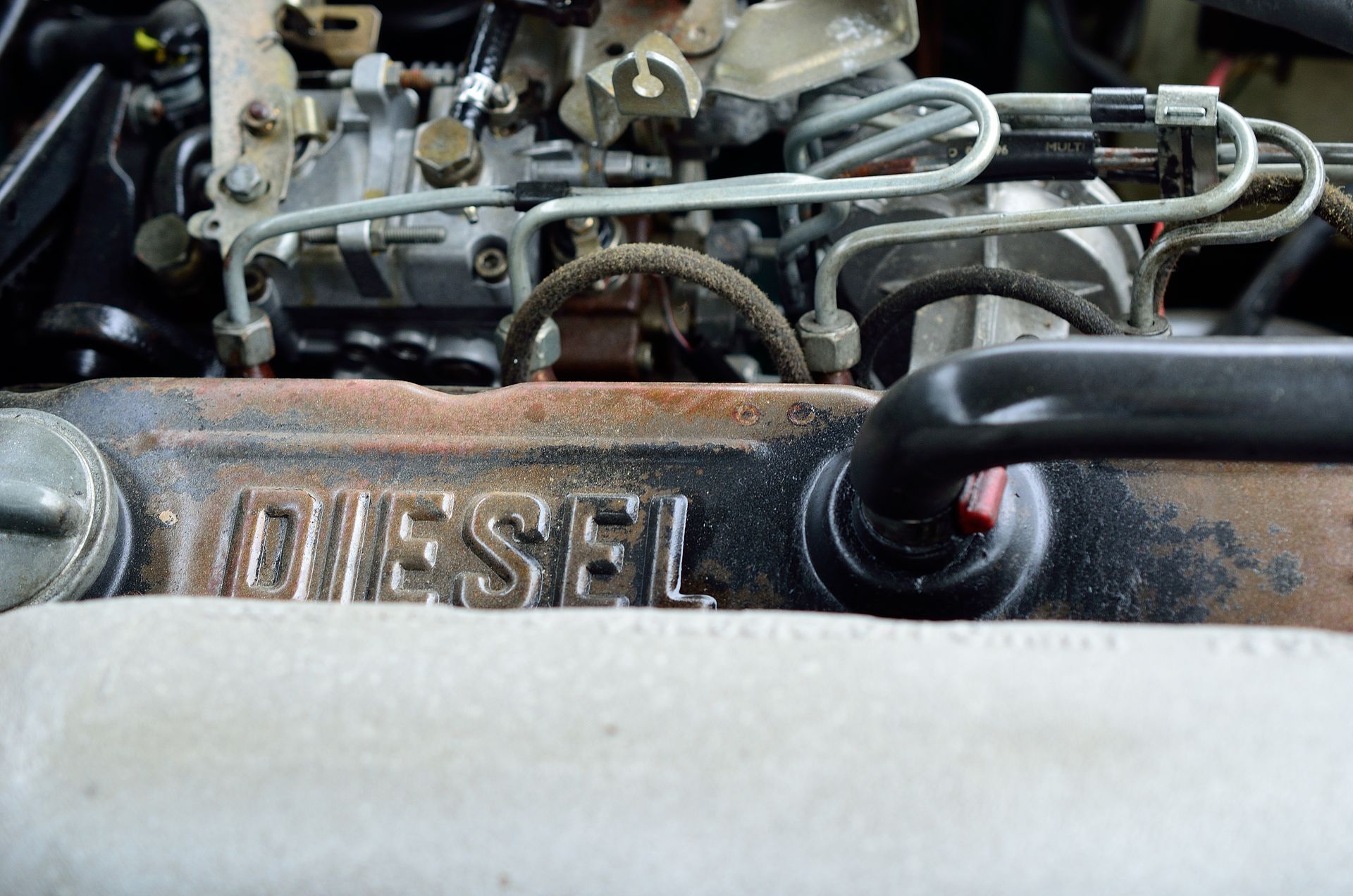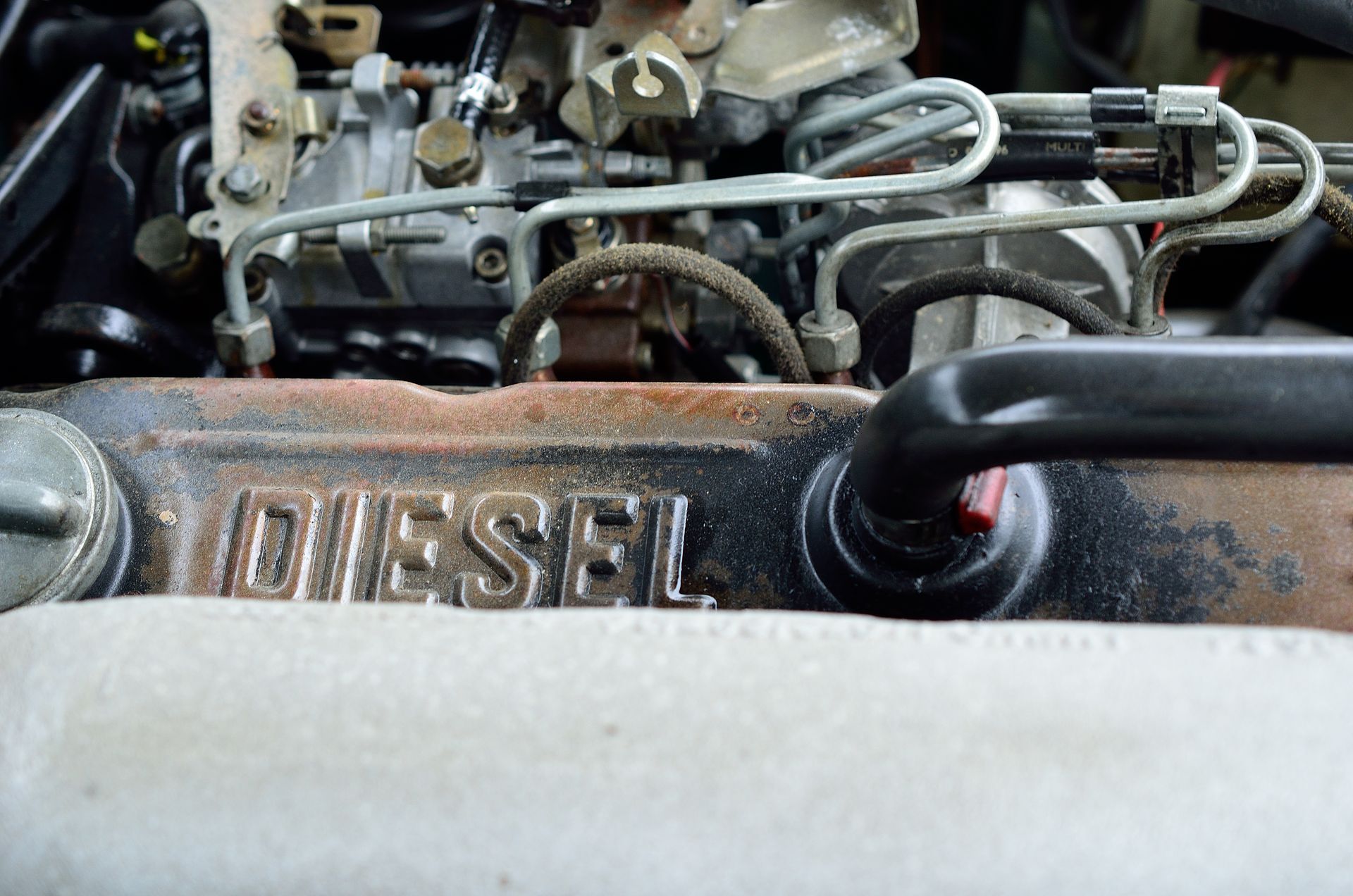
A diesel that runs right feels strong, steady, and confident. You get plenty of torque, smooth cruising, and the sense that the engine has more to give. When something starts to go wrong, the first signs are often small changes that are easy to brush off.
With diesel engines, those early clues are the best chance to fix an issue before it turns into a breakdown or a very expensive repair.
Why Diesel Problems Need Quick Attention
Diesel engines run at higher compression and higher pressures in the fuel system, and often work harder than a typical gas engine. That is great for power and longevity, but it also means a small problem can escalate quickly. A weak injector, a small boost leak, or low fuel pressure does not always make a huge noise at first. It slowly increases stress on pistons, turbos, and aftertreatment components.
From what we see in the shop, the trucks and diesels that come in as soon as something “does not feel right” usually end up with simpler repairs. The ones that stay in service with obvious symptoms for months are the ones that need injectors, turbos, or major internal work.
1. Hard Starts and Long Crank Times
If your diesel used to fire almost instantly and now cranks for several seconds before starting, that is a problem worth checking. Cold mornings can expose weak glow plugs, tired glow plug relays, or low compression that was not as noticeable in warmer weather. Hard starting can also point to low fuel rail pressure or air getting into the fuel system.
You might notice that the engine stumbles a bit for the first few seconds, then clears up. Some drivers live with that for a long time, but every difficult start is extra wear on the starter, batteries, and internal parts. We like to look at hard starting early, check glow plug operation, fuel pressure, and cranking speed, and get to the bottom of it before winter really sets in.
2. Excessive Smoke From the Exhaust
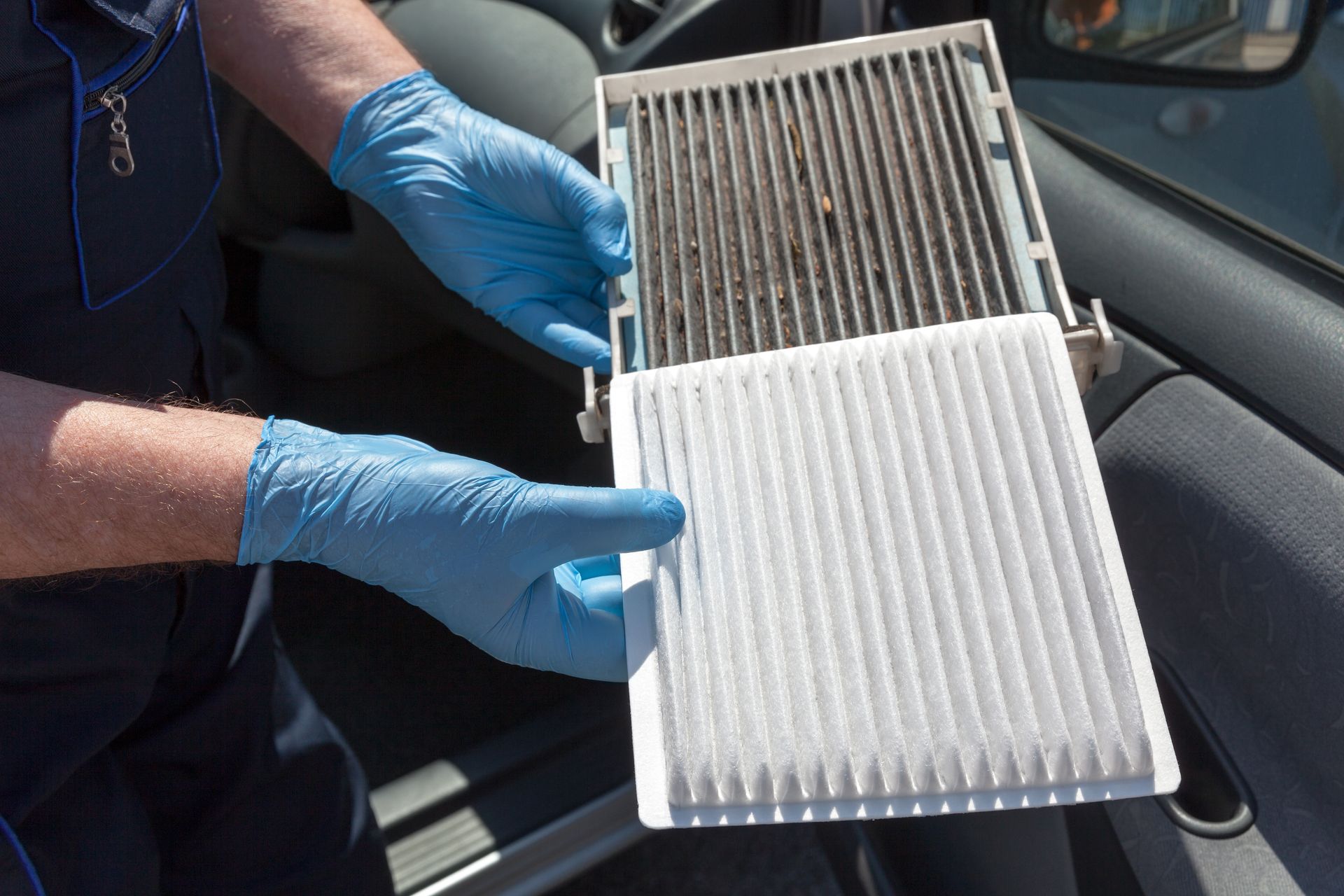
Diesels and a little smoke have always gone together, but there is a big difference between a brief puff on a cold start and smoke that follows you down the road. Heavy black smoke under light throttle can point to too much fuel or not enough air, such as a boost leak, restricted air filter, or injector problems. Blue smoke suggests oil consumption, and thick white smoke can signal unburned fuel or coolant issues.
If people start to comment on your truck “always smoking,” or you see a haze behind you in the mirror at highway speed, that is not something to ignore. We use what the smoke looks and smells like, combined with scan data and tests, to narrow down whether the problem is on the air side, fuel side, or deeper inside the engine.
3. Loss of Power and Poor Acceleration
A diesel that suddenly feels flat or labors on hills is trying to tell you something. Loss of boost from cracked intercooler pipes, sticking turbo vanes, or a failing turbo can all sap power. So can weak fuel delivery from a tired lift pump, clogged fuel filter, or high pressure pump issues. Sometimes the only symptom is that it takes more throttle than it used to for the same job.
On trucks that tow or haul, this power loss often shows up first on grades or when merging. You may find yourself downshifting more often or watching the engine strain where it used to pull easily. Catching that early lets us test boost, fuel pressure, and air flow before a turbo fails completely or a pump sends metal through the system.
4. Diesel Knocking or Unusual Engine Noise
Diesels have their own normal clatter, but your ear knows when something sounds different. A sharper knock at idle, a metallic rattle under load, or a new ticking from one side of the engine can all signal trouble. Ignition timing issues, injector problems, or internal wear can change the sound of the combustion event.
Noise that gets louder quickly, changes with load, or is joined by vibration is especially concerning. We listen closely, compare the sides of the engine, and use scan tool data to see if one cylinder is behaving differently from the others. The goal is to catch a bad injector or valvetrain part before it turns into a hole in a piston or a dropped valve.
5. Fuel or Oil Leaks Around the Engine
Small wet spots around high pressure fuel lines, injector returns, or filters can grow into bigger leaks in a hurry. Diesel fuel leaks are more than a mess. They can lower available fuel pressure, cause starting and running issues, and create a fire risk if they reach hot surfaces.
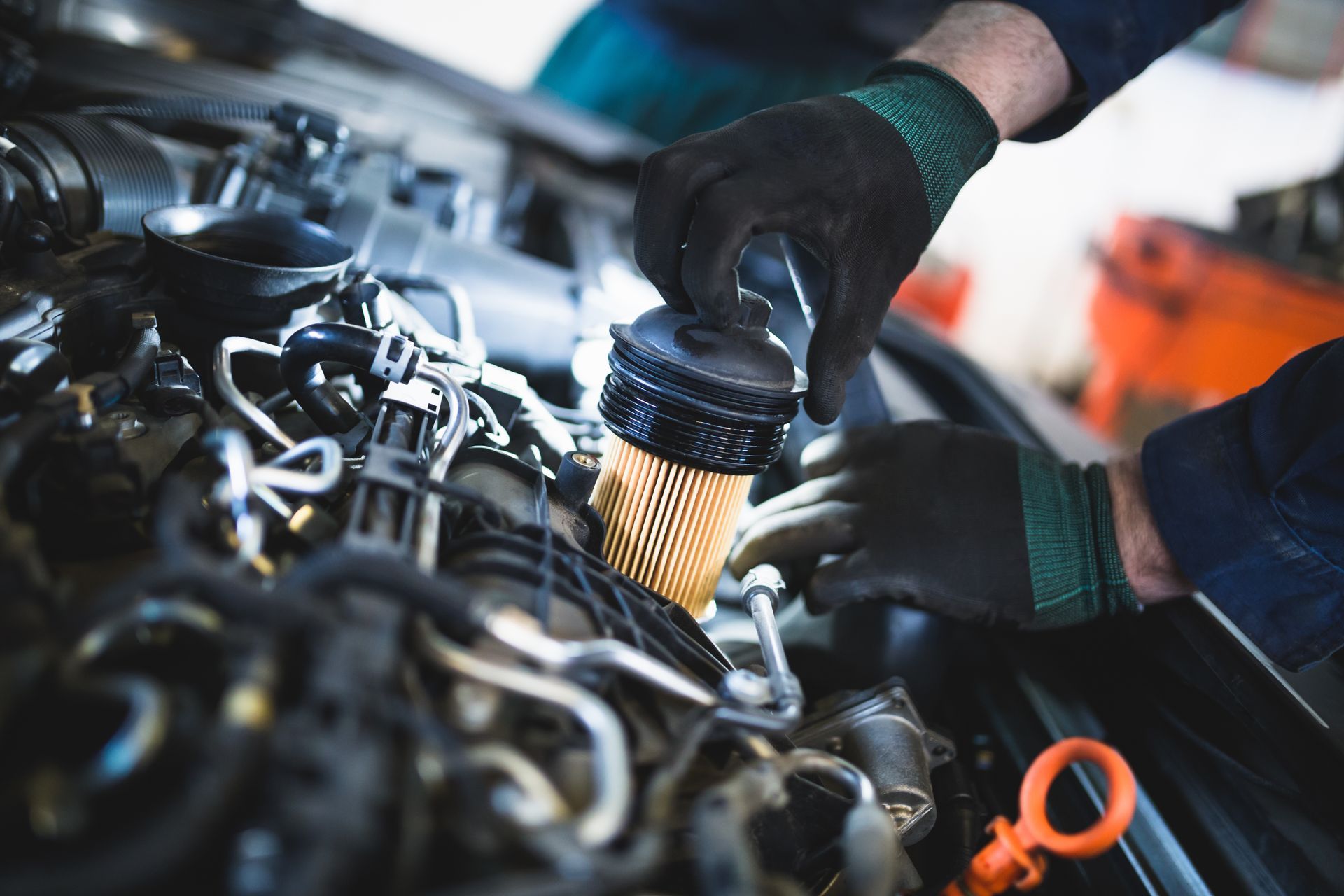
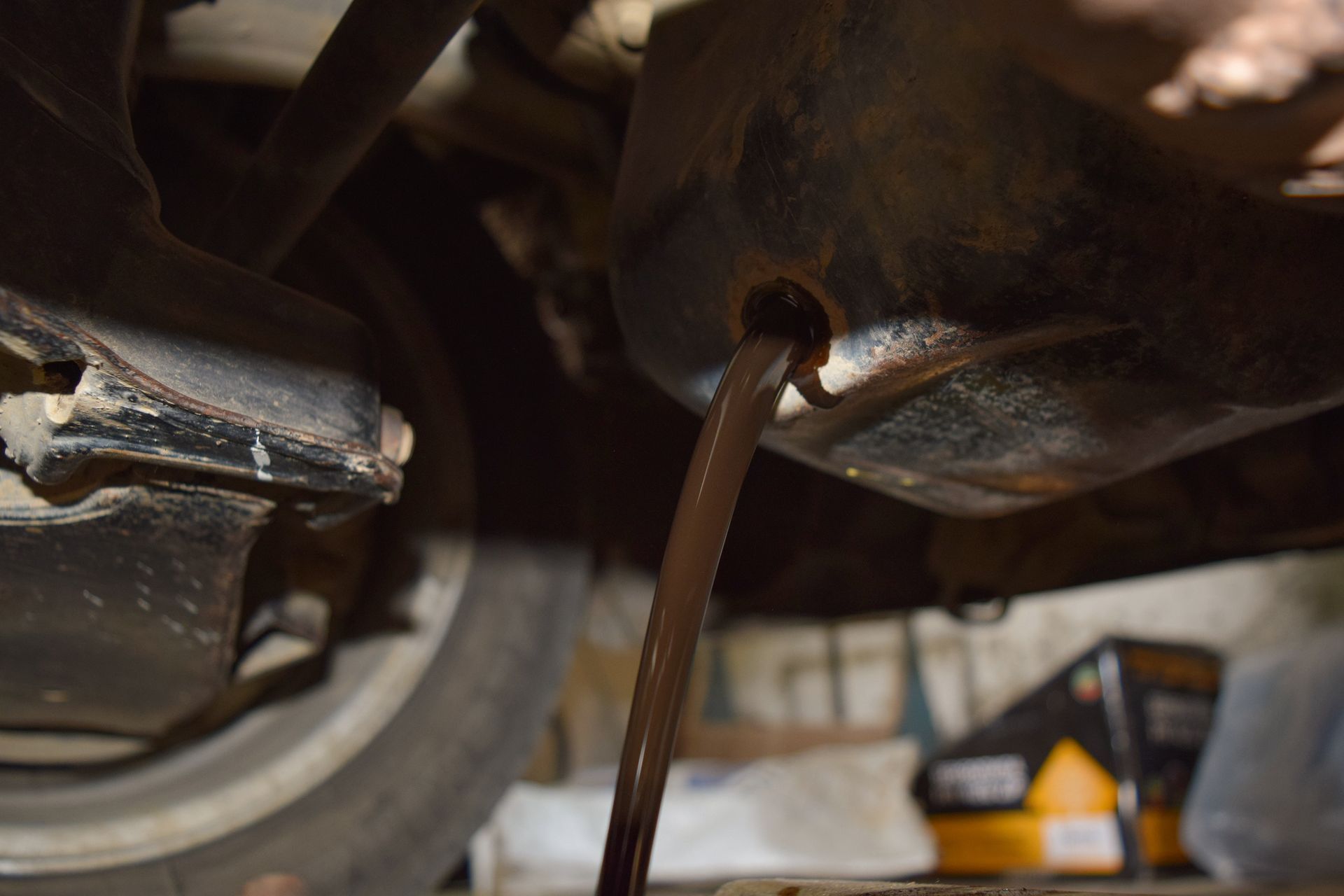
Oil leaks around turbo feed lines, high pressure pumps, and front or rear engine seals are just as important. Low oil in a hard working diesel is a fast way to damage bearings and turbochargers. When we inspect a leak, we try to find where it began, not just where it dripped, and prioritize anything that affects lubrication or fuel delivery.
6. Rising Engine Temps or Warning Lights
A diesel that starts to run hotter than usual, even a little, deserves attention. Cooling systems on these engines work hard under load, especially while towing or climbing. A restricted radiator, weak fan clutch, failing water pump, or sticking thermostat can all let temperatures creep up. Over time, that heat is hard on head gaskets, EGR coolers, and oil.
Warning lights tied to emissions systems, such as DPF or DEF problems, also should not be ignored. Running with active fault codes for long stretches can lead to derate conditions, forced regens, or damage to aftertreatment components that are expensive to replace. When we see those lights, we like to scan for codes, look at sensor data, and correct the root cause rather than just clearing the light.
Get Diesel Engine Repair in Alma, GA with Dana Bros. Automotive & Diesel Repair
If your diesel is hard to start, smoking more than it used to, down on power, or showing any of these warning signs, this is the time to get ahead of it. We can test fuel and boost systems, check for leaks, scan for codes, and track down the real cause before it sidelines your truck.
Schedule diesel engine repair in Alma, GA with
Dana Bros. Automotive & Diesel Repair, and we will help keep your engine working hard for the long haul.