Air filters are easy to ignore because the car still runs and the A/C still blows. The catch is that both filters affect comfort, performance, and long-term wear, even when you do not notice a dramatic symptom. One filter protects the engine from dirt and grit, and the other protects you from breathing whatever the ventilation system pulls in. Replacing them on time is one of the simpler ways to keep a vehicle feeling normal day to day.
Cabin Filter and Engine Filter: What Each One Does
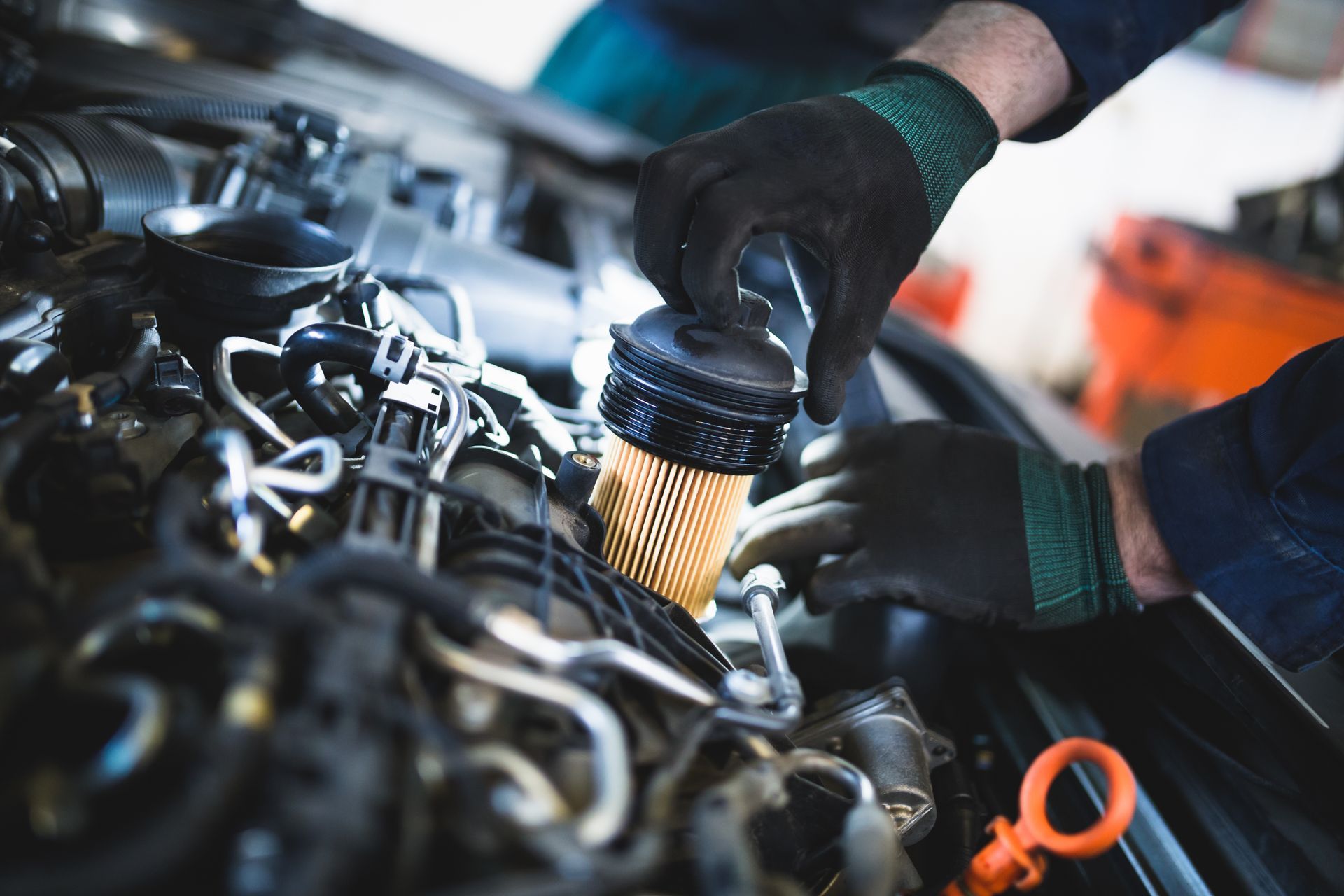
The engine air filter sits in the intake path and keeps dust, sand, and debris from getting pulled into the engine. Clean air helps the engine run efficiently and protects sensitive components like the mass airflow sensor on many vehicles. If the filter is neglected, the engine has to work harder to pull in air, and that can affect drivability over time.
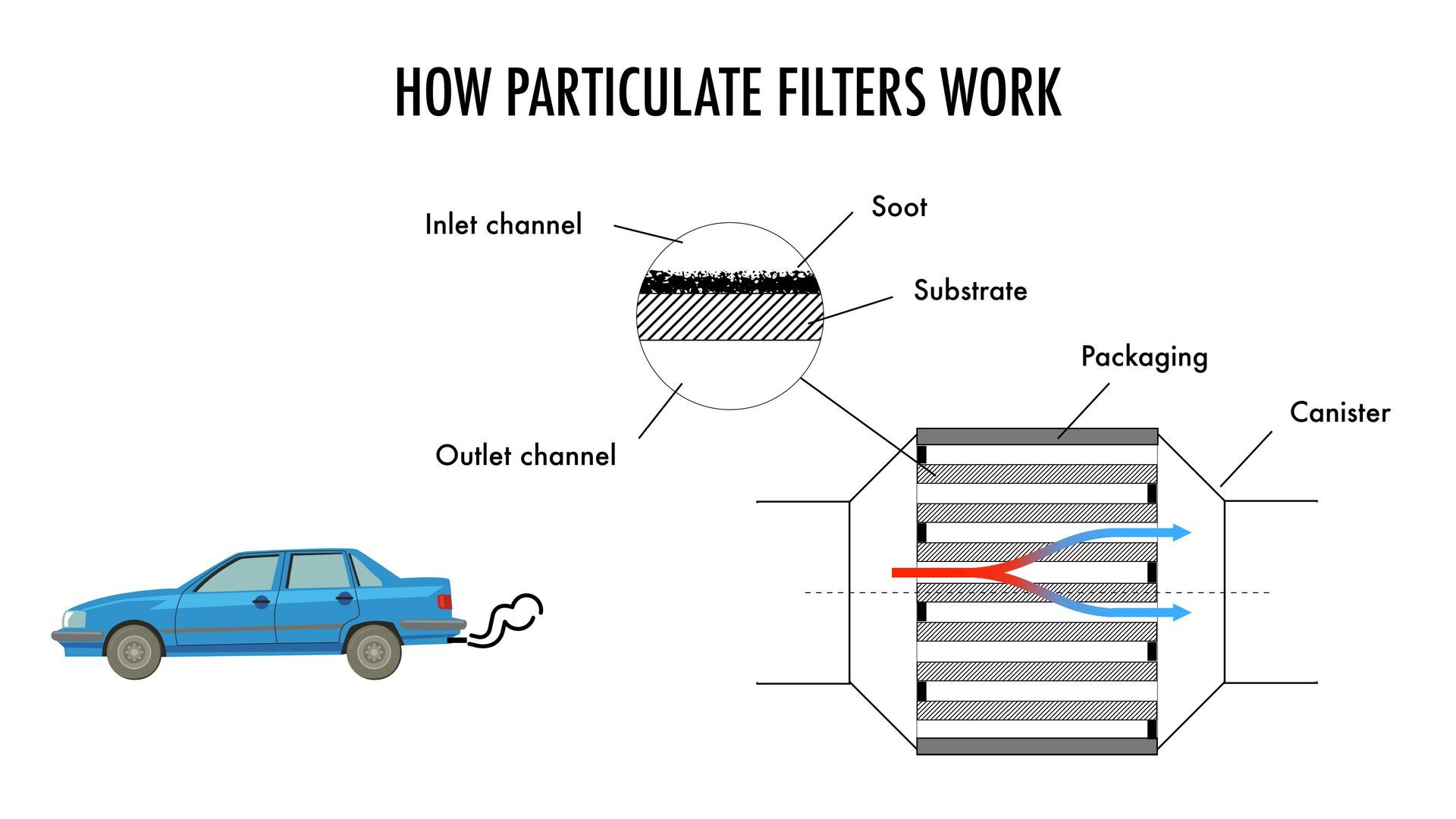
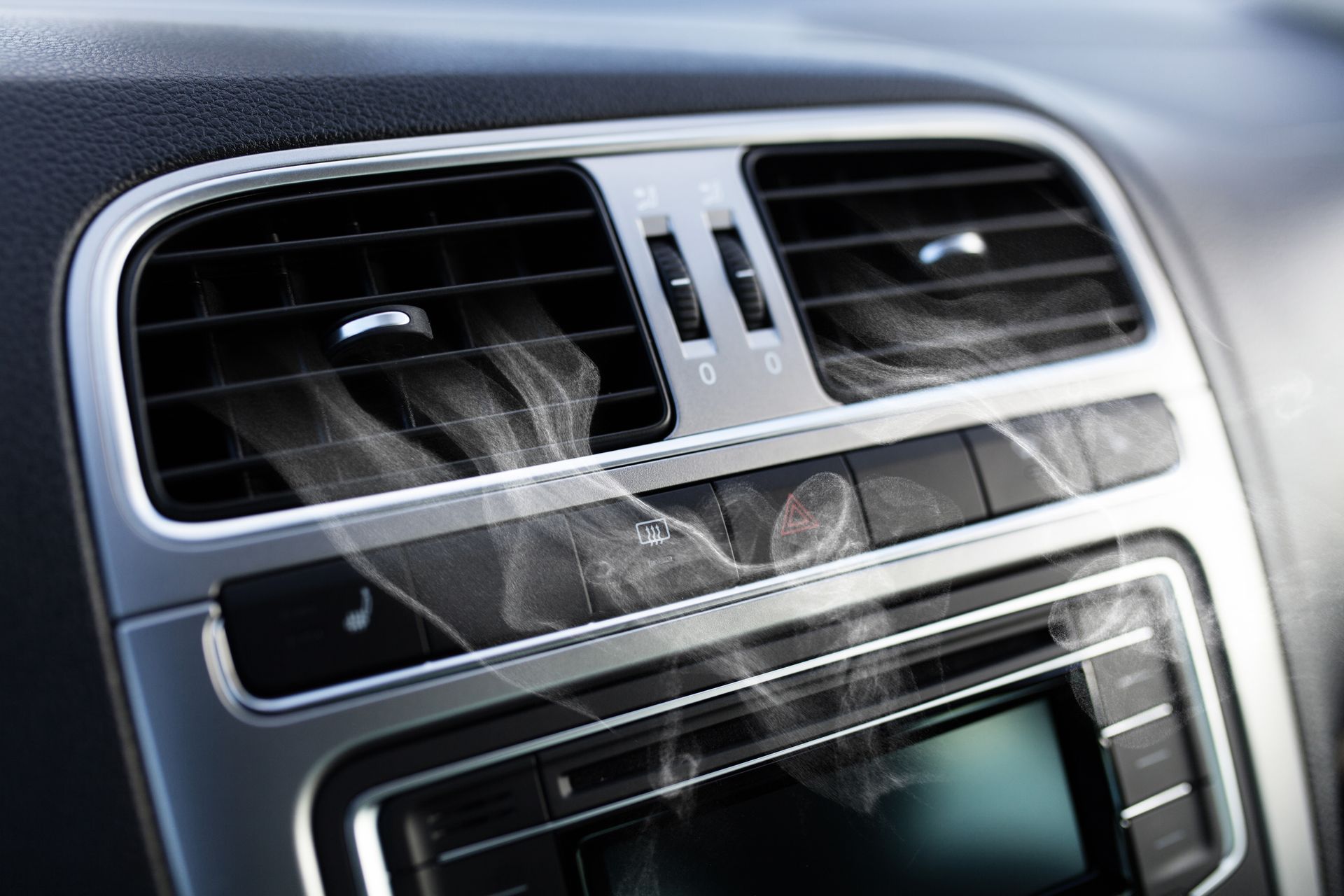
The cabin air filter is for the air you breathe inside the vehicle. It traps pollen, dust, soot, and other particles before air flows through the vents. When it is clogged, airflow drops, windows can fog more easily, and the interior may start to smell musty.
How Often To Replace The Engine Air Filter
For many vehicles, a good general interval is around 15,000 to 30,000 miles, but it depends heavily on where and how you drive. Highway commuting on clean roads is easier on filters than dusty back roads, construction zones, and stop-and-go traffic behind other cars. If you drive in areas with heavy dust or pollen, the filter can load up faster than the mileage suggests.
A simple rule that works well is to check it regularly and replace it when it looks dirty enough that light barely passes through the media. We have seen filters that looked fine at 20,000 miles and others that were overdue at 10,000 because of local conditions. If you tow, haul, or drive in heat with higher engine load, that can also increase airflow demand and make a restricted filter more noticeable.
How Often To Replace The Cabin Air Filter
Cabin filters are commonly replaced around every 12 months or 15,000 to 25,000 miles. If you have allergies, drive in traffic often, or park under trees, you may need it sooner. A clogged cabin filter can make the blower feel weak, especially on lower fan settings, and it can put extra strain on the HVAC system.
If you notice lingering odors when you first turn the fan on, that can also be a clue that the filter is past due or damp. Some cabin filters include activated charcoal to help with smells, but those tend to saturate over time. Replacing the cabin filter on schedule keeps airflow strong and helps the interior stay fresher.
Driving Conditions That Shorten Filter Life
Filters do not age the same for every driver, even with the same vehicle. A few common conditions can cut the interval down significantly, so it helps to think about your daily routes. This is why tying filter checks into regular maintenance makes sense, because the environment does not care what the owner’s manual says.
Here are driving patterns that typically shorten filter life:
- Dusty roads, gravel lots, or frequent construction detours
- Heavy pollen seasons and tree-covered parking areas
- Stop-and-go traffic where you sit behind other vehicles’ exhaust
- Pets, frequent passengers, or lots of windows-down driving
If any of these match your routine, expect to replace filters more often. It is usually cheaper to swap a filter early than to live with poor airflow or reduced engine breathing for months.
Signs Your Filters Are Past Due
An engine air filter that is overdue can show up as sluggish acceleration, slightly worse fuel mileage, or a rougher feel under load. You might also hear more intake noise because the engine is pulling harder for air. In some cases, a very dirty filter can contribute to fouling in the intake tract, especially if the housing seal is not tight.
A cabin filter that is overdue usually announces itself with weak airflow from the vents, more dust settling on interior surfaces, or a persistent odor when the fan starts. Some drivers also notice the windshield fogs easier because the airflow is reduced. A quick inspection can confirm whether the filter is restricted or if there is another airflow issue going on.
Why Filter Quality And Installation Matter
Not all filters fit the same, even when the box claims they do. A poor fit can let unfiltered air sneak around the edges, which defeats the point of the engine filter. With cabin filters, an incorrect install can cause whistling noises, gaps that pass dust, or a filter that collapses and blocks airflow.
There is also a balance between filtration and airflow. Ultra-high filtration filters can restrict airflow sooner if they load up quickly in dusty conditions. Our technicians focus on selecting the right filter for the vehicle and ensuring the housing seals properly, so you get protection without creating new airflow problems.
Get Cabin And Engine Air Filter Replacement In Alma, GA With Dana Bros. Automotive & Diesel Repair
If your airflow feels weak, you are noticing more dust inside, or you cannot remember the last time the filters were changed, the next step is to book service so they can be replaced before they start affecting comfort and performance.
Schedule service with
Dana Bros. Automotive & Diesel Repair in Alma, GA, to get both filters handled correctly and keep your vehicle breathing clean air on every drive.