Diesel engines are built to work, but they are not built to be ignored. A diesel can sound fine, pull hard, and still be hiding fuel, oil, cooling, or emissions problems that are slowly getting more expensive.
The trouble is that many diesel issues start small.
A delayed fuel filter, weak coolant, dirty oil, or ignored warning light can put stress on parts that cost far more than basic service. Good diesel maintenance is not complicated. It is mostly about being consistent, using the right parts and fluids, and paying attention when the truck starts acting differently.
1. Change Engine Oil On Time
Diesel oil works hard. It handles heat, soot, pressure, and heavy loads every time the engine runs. If oil service gets stretched too far, deposits can build, wear can increase, and turbo parts may not get the protection they need.
Use the oil specification recommended for your engine. The correct oil helps protect bearings, timing components, turbochargers, and emissions-related parts. If the oil becomes thick, smells strongly of fuel, or drops between services, schedule an inspection rather than waiting until the next interval.
2. Replace Fuel Filters Before They Cause Trouble
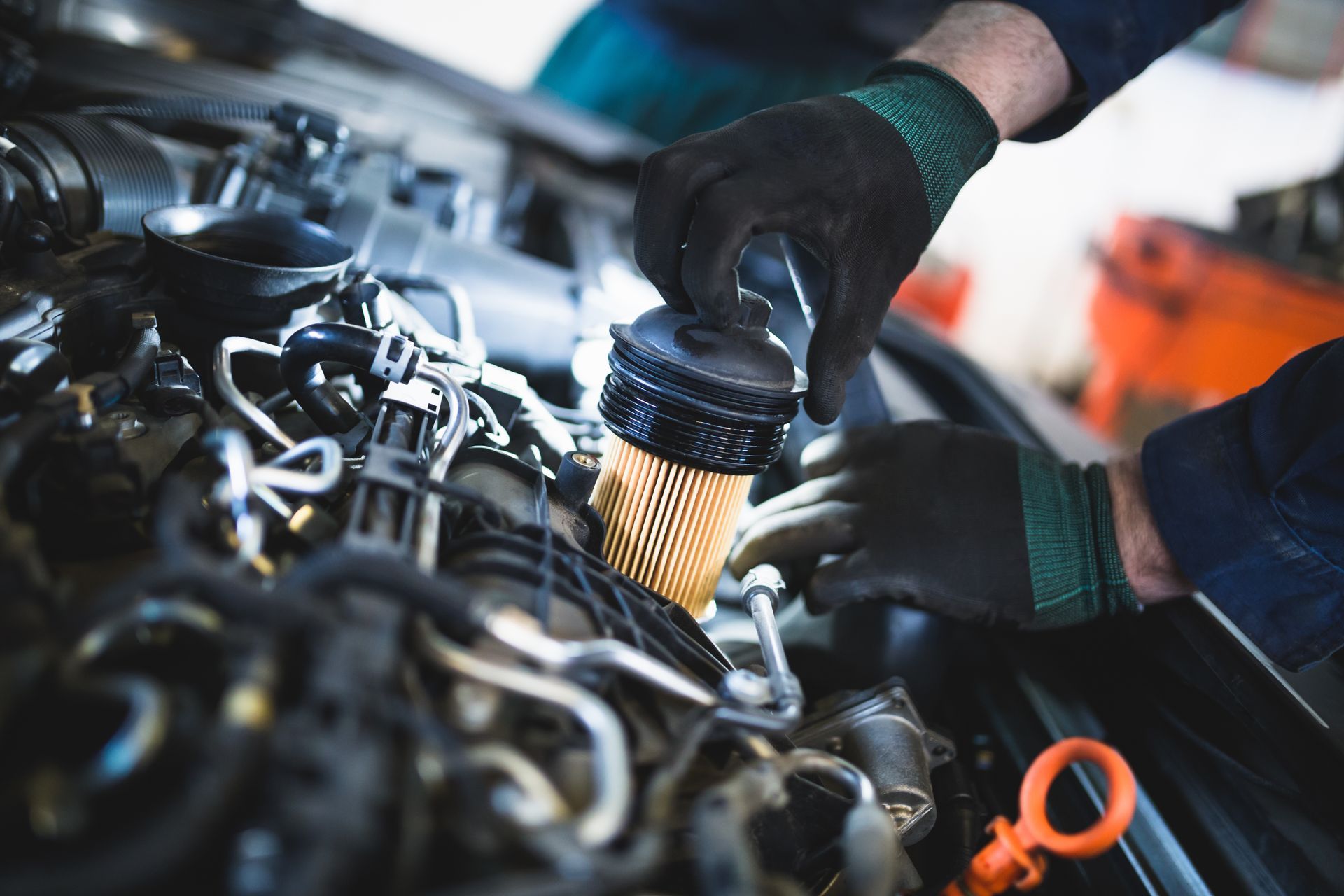
Diesel fuel systems are sensitive to dirt and water. Modern injectors and high-pressure pumps do not tolerate contamination well. A neglected fuel filter can lead to hard starts, low power, rough running, or expensive fuel system damage.
Fuel filter service is one of the most important diesel maintenance items. If the truck tows, idles often, works in dusty areas, or gets fuel from different stations, the filter may need attention sooner than expected.
3. Watch For Water In The Fuel System
Water in diesel fuel can damage injectors, pumps, and other fuel system parts. Some vehicles have a water separator or warning system, but drivers should not ignore the service interval just because no light is on.
Water contamination can cause rough running, poor power, corrosion, and fuel system wear. If the truck shows a water-in-fuel warning, do not keep driving as if it will clear on its own. The system needs to be drained or serviced correctly.
4. Keep The Cooling System Healthy
Diesel engines create serious heat, especially when towing, hauling, or climbing grades. Coolant has to protect against overheating, corrosion, and cavitation in certain engines. Old or low coolant can put the engine at risk.
Check coolant level, condition, hoses, radiator, cap, water pump, and signs of leaks. A faint sweet smell or crusty residue near a hose connection can be the first clue. Cooling system problems should be handled before the temperature gauge starts climbing.
5. Do Not Ignore Turbocharger Clues
Many diesel engines rely on a turbocharger for power and efficiency. The turbo depends on clean oil, good airflow, and a sealed boost system. A small leak in a charge pipe or boot can make the truck feel weak, even if the turbo itself isn't bad.
Watch for whining, whistling, black smoke, low boost, poor acceleration, or oil around intake piping. The whole air and boost system should be checked before blaming the turbo.
6. Keep The Air Filter Clean
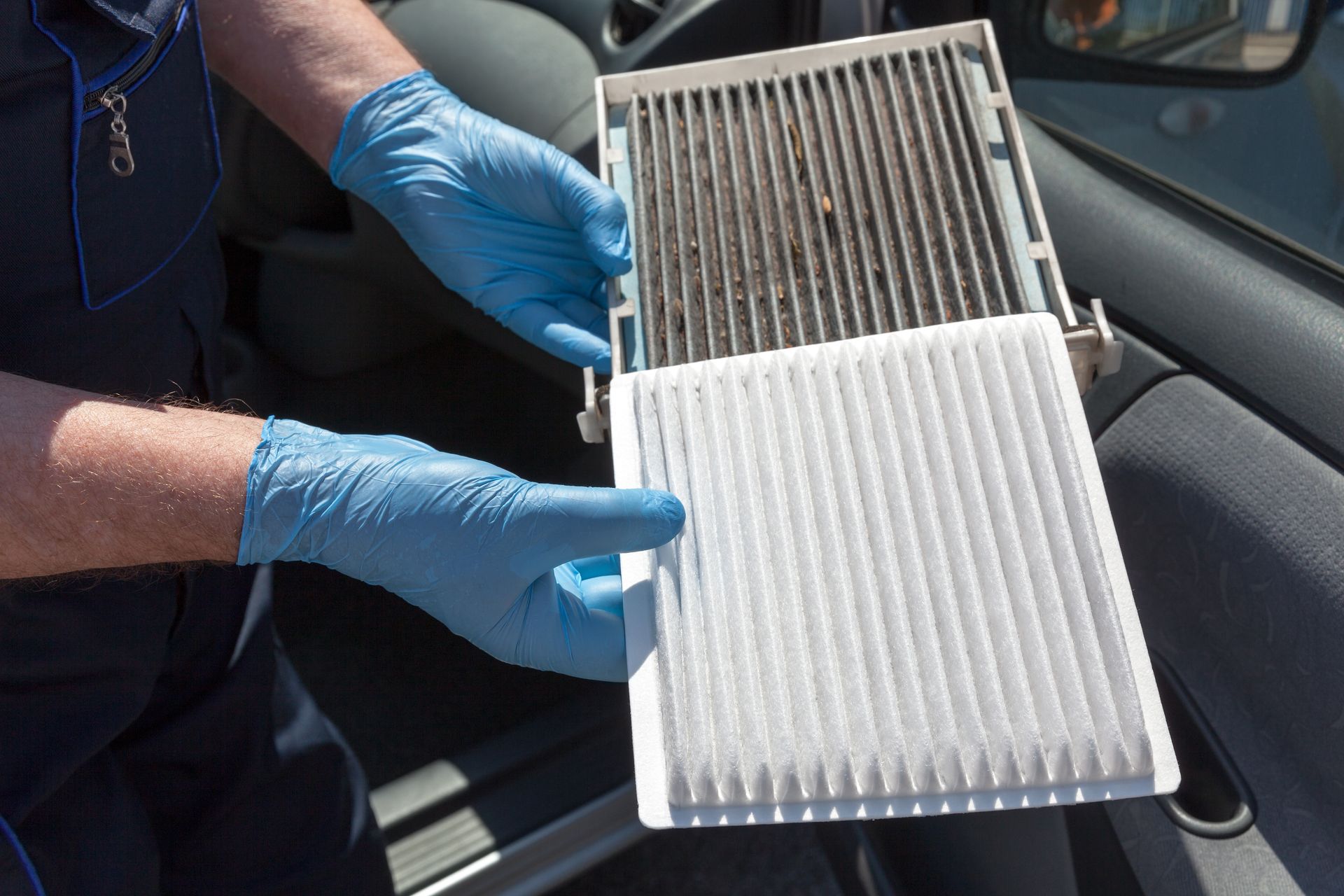
A diesel needs clean airflow to burn fuel correctly. A restricted air filter can reduce power, increase smoke, and make the engine work harder than it should. Dusty roads, job sites, farm roads, and heavy pollen can load a filter faster than normal driving.
A dirty air filter is not an expensive part, but ignoring it can affect fuel economy and performance. During regular maintenance, the filter and intake path should be checked for dirt, loose clamps, and damaged tubing.
7. Pay Attention To Smoke Changes
Diesel exhaust can tell you quite a bit. Black smoke may point to too much fuel, low boost, restricted airflow, or injector issues. White smoke can result from cold combustion, poor fuel timing, coolant intrusion, or other issues. Blue smoke often suggests oil burning.
A brief change under certain conditions may not indicate a major failure, but new or persistent smoke warrants a closer look. Smoke is not just an appearance issue. It can point to fuel, air, oil, or emissions problems.
8. Let Warning Lights Lead To Testing
Diesel warning lights should not be cleared and forgotten. A check engine light, emissions warning, DEF message, glow plug light, or reduced power message can store useful data about what happened and when.
Codes are not the repair by themselves. They guide the testing. A proper diesel diagnostic check may include fuel pressure, boost data, injector balance, exhaust temperature data, soot load, sensor readings, and electrical checks.
9. Service The Emissions System Properly
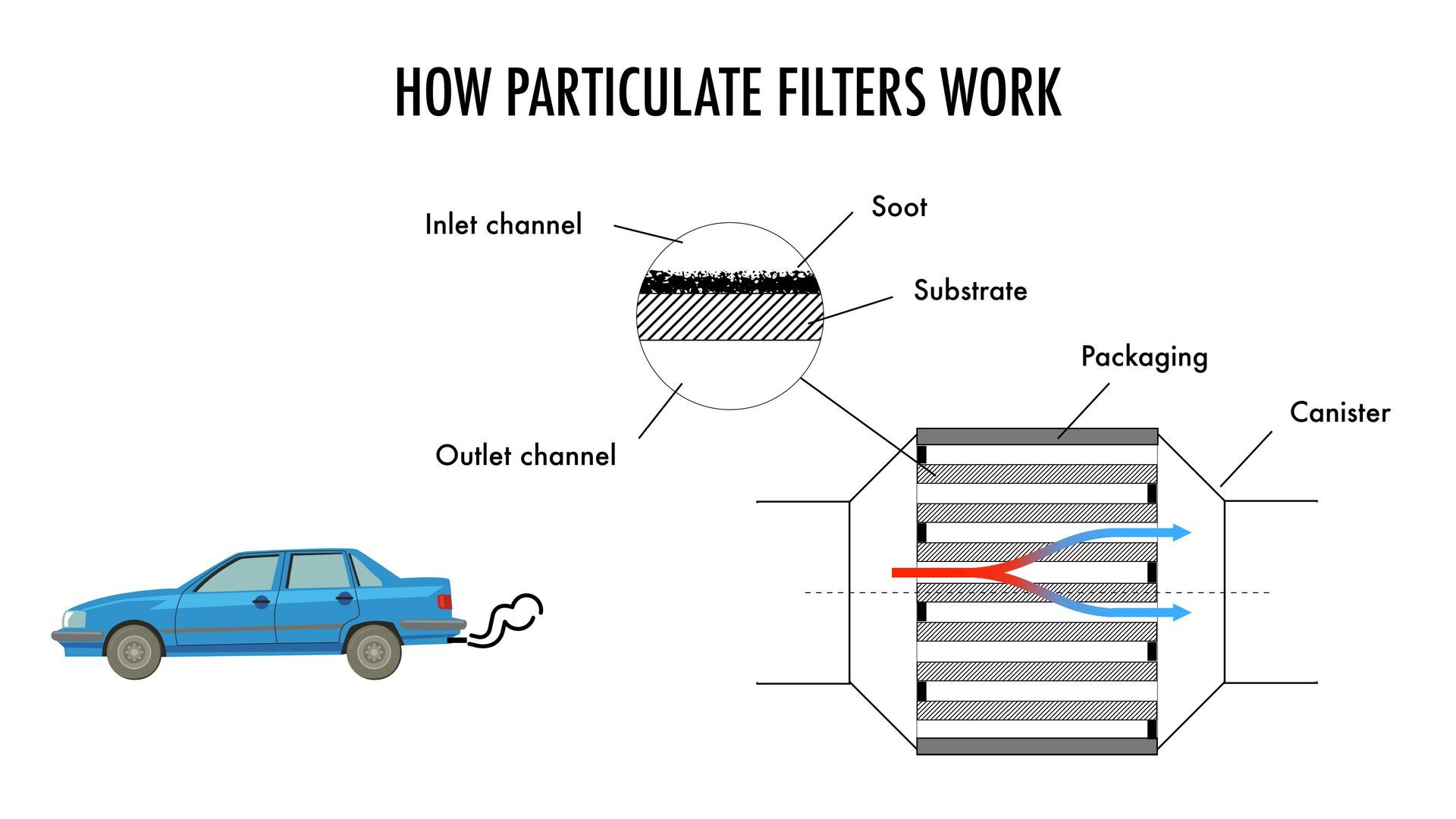
Modern diesel emissions systems can include EGR, DPF, DEF, sensors, heaters, catalysts, and control modules. Short trips, excessive idling, poor fuel quality, and unresolved engine problems can all make those systems work harder.
If the truck asks for a regeneration, shows a DEF warning, or goes into reduced power, do not ignore it. The cause should be found before the system gets plugged, overheated, or damaged.
10. Fix Small Leaks Early
Oil, coolant, fuel, and exhaust leaks all deserve attention on a diesel. A small oil leak can contaminate belts or hoses. A coolant leak can lead to overheating. A fuel leak can become a safety concern. An exhaust leak before the turbo can affect boost and performance.
Leaks rarely get cheaper by waiting. A damp area, fuel smell, soot mark, or fresh drip is worth checking before it spreads.
Get Diesel Engine Maintenance In Alma, GA, With Dana Bros. Automotive & Diesel Repair
If your diesel is due for service, losing power, smoking, leaking, showing warning lights, or starting to feel different, Dana Bros. Automotive & Diesel Repair in Alma, GA, can check the fuel, oil, cooling, turbo, emissions, and electrical systems.
Schedule a visit and keep small diesel maintenance needs from turning into expensive repairs.