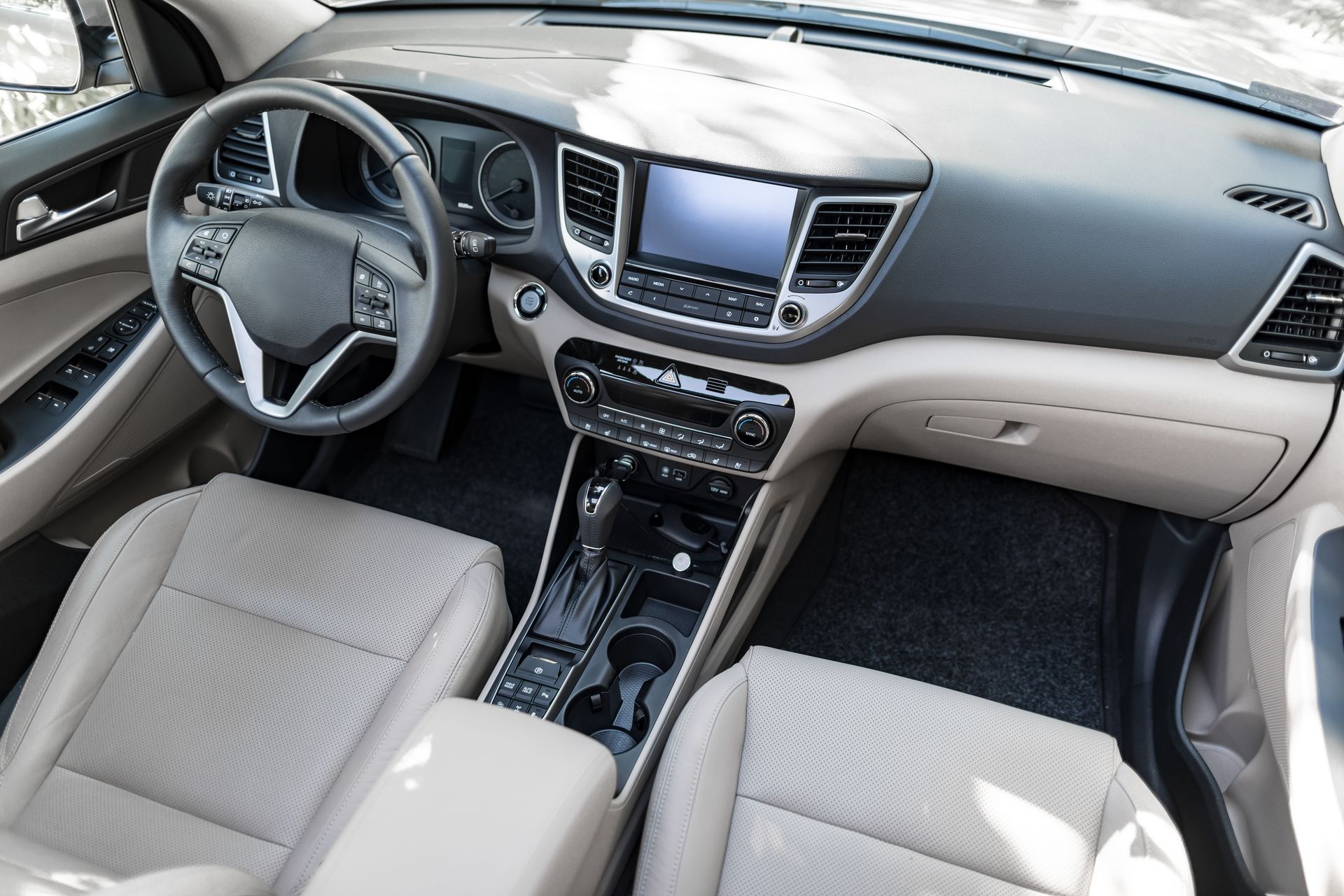
Most drivers treat the owner’s manual like something that belongs in the glove box, not anywhere else. It stays there for years, barely touched, until a warning light comes on, a battery dies, or someone needs to figure out how to fold the rear seats. By then, the manual feels less like a guide and more like a last resort.
The funny part is that it was trying to help long before that.
Why The Manual Exists In The First Place
Your owner’s manual is not just a list of features and legal fine print. It is there to help you avoid the kind of mistakes that shorten vehicle life, create safety problems, or turn simple service into a bigger repair. It tells you what your car needs, what it does not like, and what can go wrong if the wrong fluid, fuel, or maintenance schedule is used.
That is why it can save drivers from trouble they do not even see coming. A lot of avoidable repairs start with somebody assuming all cars work the same way. They do not.
Your Car Owner’s Manual Is Trying To Save You From Neglect
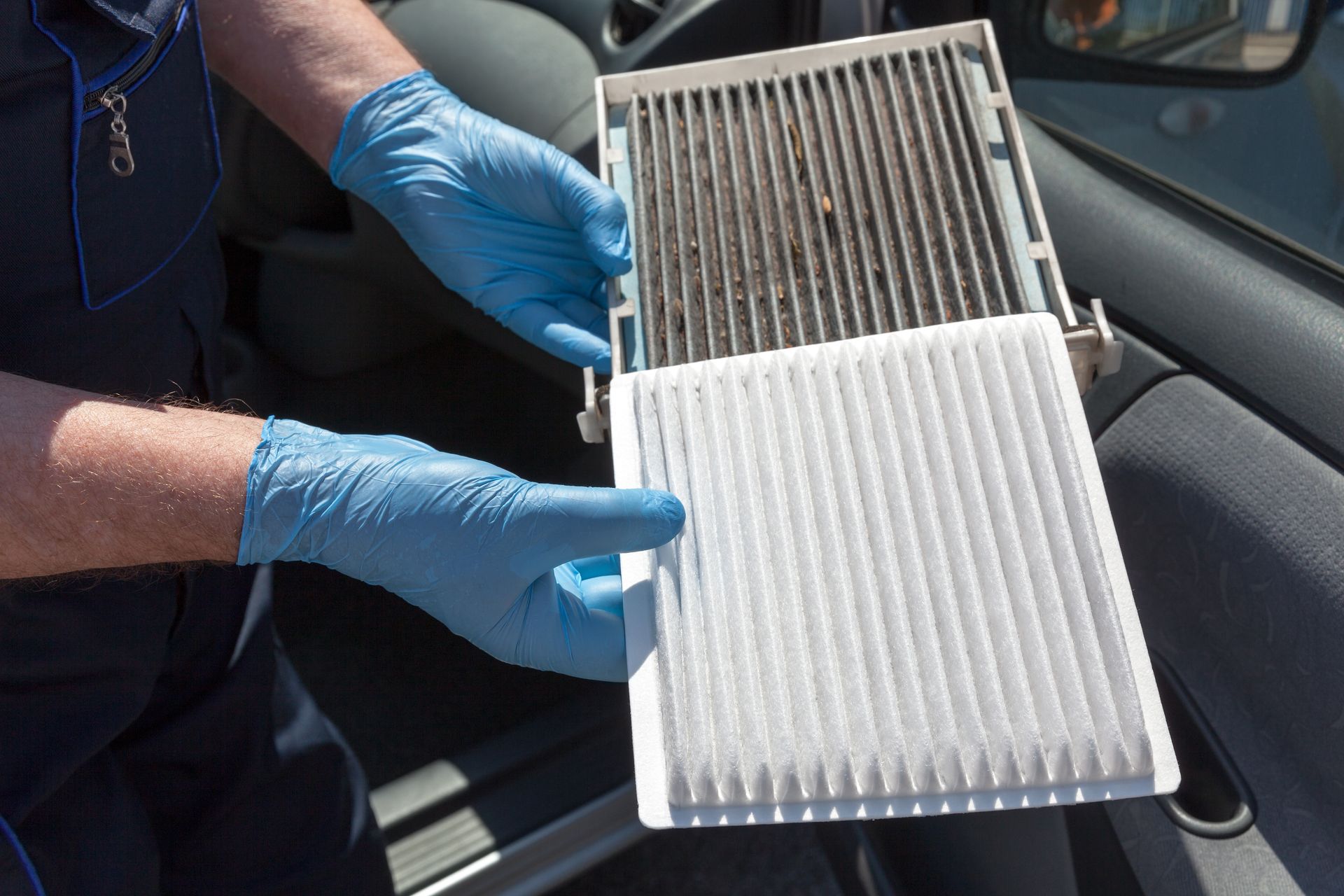
One of the biggest things the manual does is set the service schedule. Oil changes, coolant service, spark plugs, transmission fluid, filters, and inspections are all laid out there for a reason. It is the manufacturer’s way of saying this is when the vehicle usually needs attention, before wear starts piling up in the background.
Drivers who skip that schedule often do not feel the damage right away. The car still runs, so the delay feels harmless. Then the problems show up later through poor performance, warning lights, leaks, or parts wearing out much earlier than expected. Regular maintenance tends to go better when the manual is treated like a guide instead of a suggestion.
It Is Trying To Keep You From Using The Wrong Stuff
A lot of vehicles are pickier than drivers realize. The manual usually spells out the correct oil grade, coolant type, brake fluid specification, and fuel requirement. Those details are easy to ignore if you assume close enough is good enough.
That thinking gets expensive fast on some cars. The wrong coolant can lead to corrosion and seal problems. Wrong oil can affect timing components, turbochargers, and internal wear. Wrong fuel grade can hurt performance and, in certain engines, create problems the driver never expected from a simple fill-up. The manual is there to stop those small choices from becoming bigger ones.
It Is Trying To Warn You Before The Car Does
A lot of people wait for the dashboard to make the first move. The manual usually gets there earlier. It explains warning lights, tells you what is urgent, and helps you understand which issues mean stop driving now and which ones mean to schedule service soon.
A few examples drivers often learn too late:
- A flashing check engine light means stop driving as soon as it is safe
- A temperature warning is not something to drive through, and hope improves
- Low tire pressure is more than just an air reminder if it keeps coming back
- Battery and charging warnings often mean the car may not keep running much longer
That kind of information is easy to overlook until you are the one sitting in a parking lot trying to decide whether the car is safe to drive home.
It Is Trying To Save You From Everyday Mistakes
Some of the most useful parts of the manual are not even about repairs. They are about avoiding dumb, expensive, everyday mistakes. It tells you where to jack the car up, how much weight the vehicle should carry, when to use certain drive modes, and what features are actually there to help you.
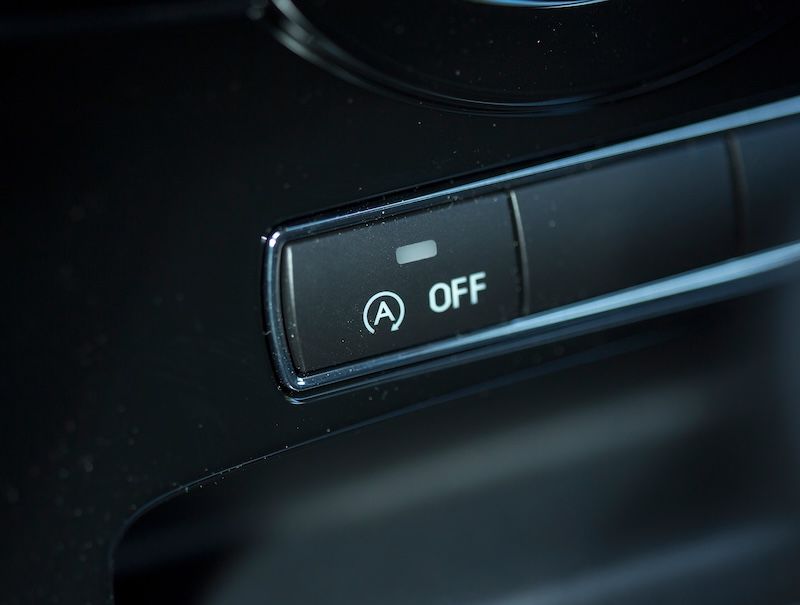
This is where drivers usually realize they have been guessing for years. Maybe the car had a tire pressure display the whole time. Maybe the rear defroster was heating the mirrors too. Maybe the towing instructions were more specific than expected. The manual often clears up things people have been doing wrong without realizing it.
It Is Trying To Protect The Car Long Term
A well-kept vehicle usually does not happen by accident. It happens because someone followed the basics early enough and often enough to keep small issues from stacking up. The manual is part of that because it gives the car its own care plan instead of relying on generic habits and rough guesses.
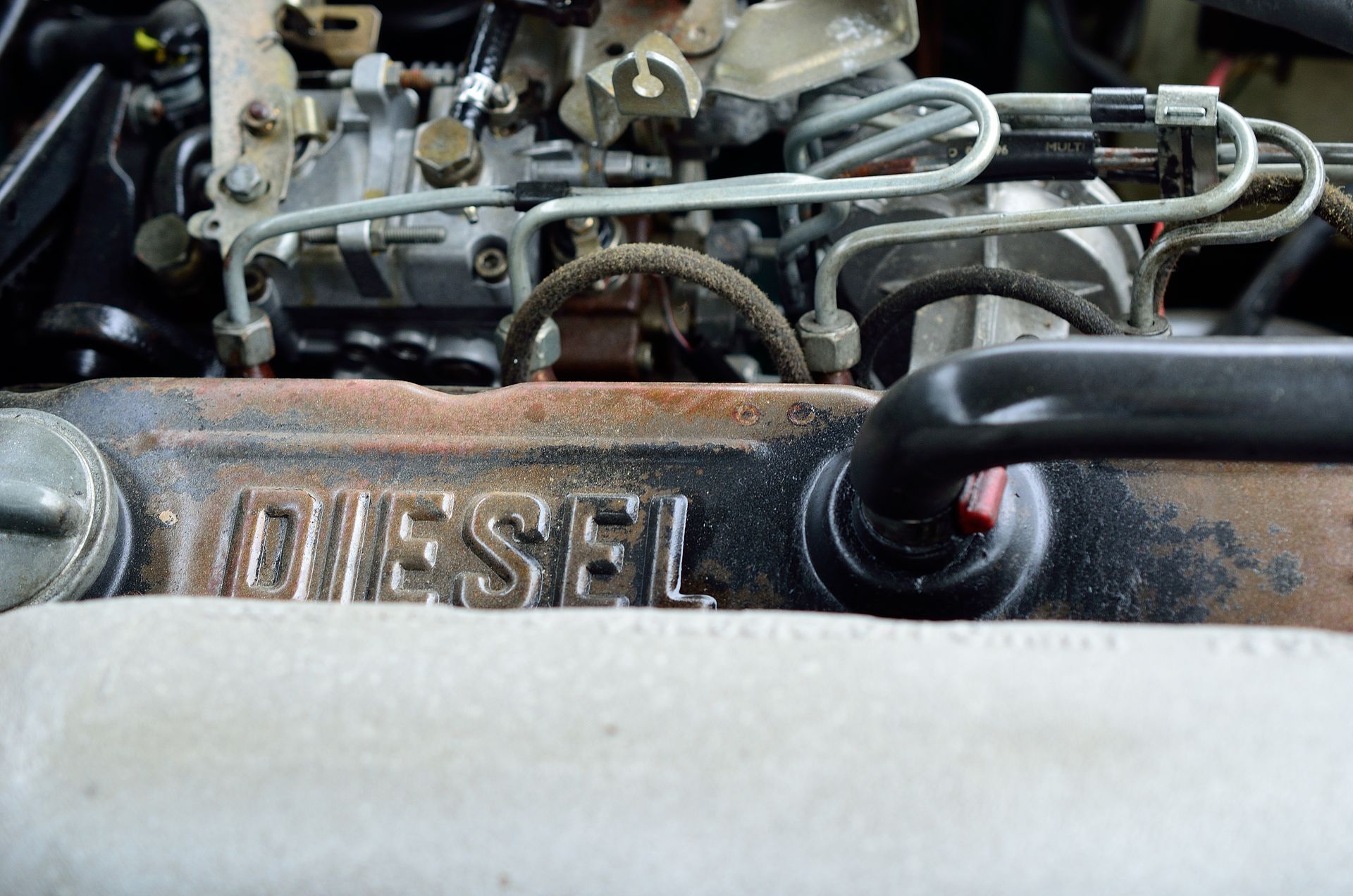
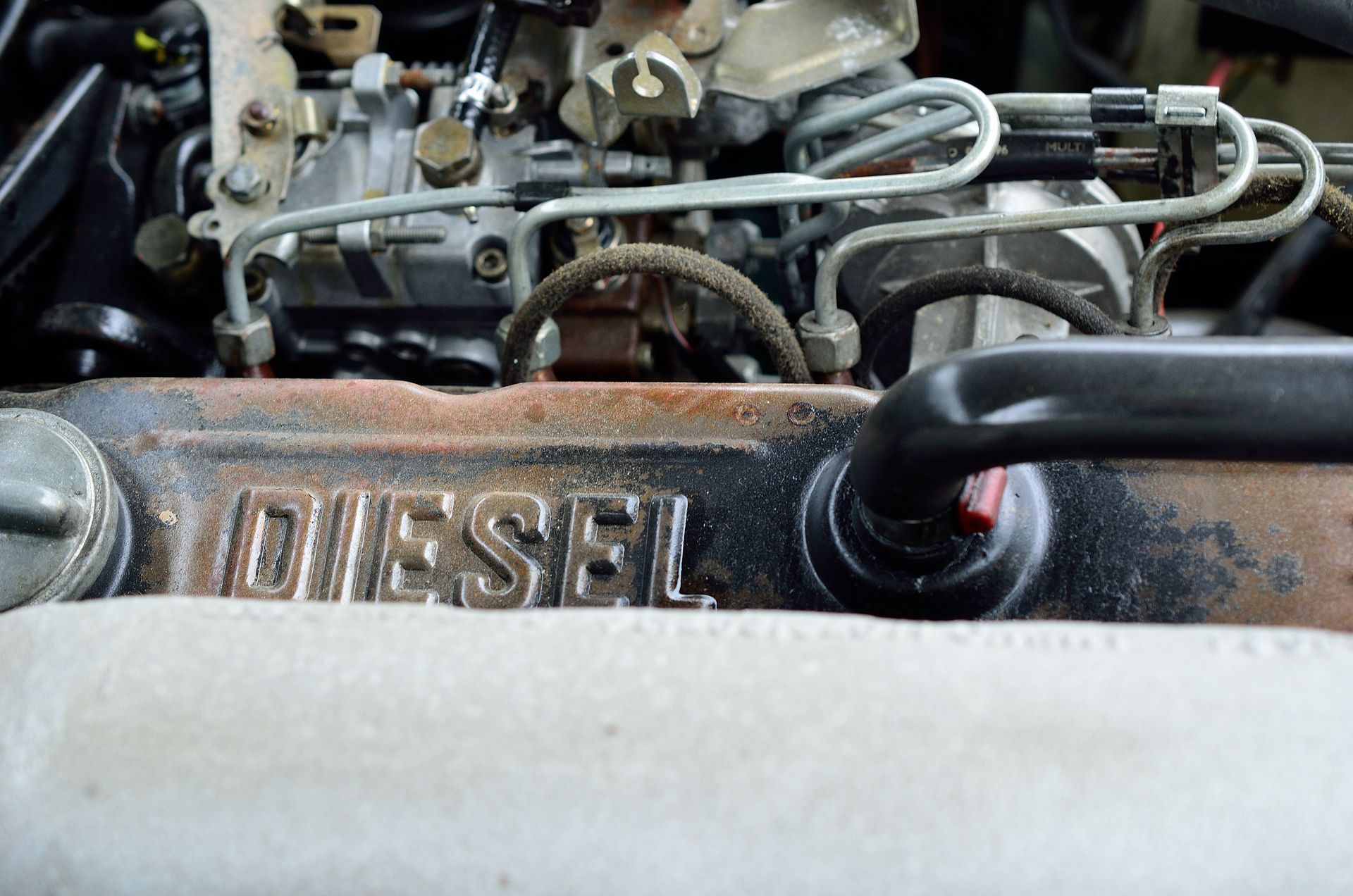
That is especially useful for newer vehicles, specialty engines, diesels, hybrids, and cars with more advanced systems. The more complex the vehicle gets, the less helpful guesswork becomes. We see this in the shop all the time. A driver thought they were doing the right thing, but the manual would have told them the car needed something different.
Why Most People Still Ignore It
The owner’s manual gets ignored because it feels boring until the day it suddenly feels useful. Drivers usually do not sit down and read it because the car seems straightforward enough. That makes sense, but it is why so many people miss the small details that could have saved them time, stress, and repair money later.
You do not need to read the whole thing cover to cover. Even knowing the service schedule, fluid specs, warning light meanings, and emergency instructions puts you in a much better position than most owners.
Get Vehicle Inspection In Alma, GA, With Dana Bros. Automotive & Diesel Repair
If you are not sure whether your vehicle has been getting the right service or whether past maintenance lined up with what the car actually requires, Dana Bros. Automotive & Diesel Repair in Alma, GA, can inspect it, check the basics, and help you stay ahead of the issues the manual has been warning about all along.
Bring it in before a missed detail turns into a repair you could have avoided.