A burning rubber smell is one of those car odors that gets your attention immediately. It is sharp, unpleasant, and usually hard to ignore. At our shop, when a customer says their car smells like burning rubber, we know that smell can come from a few different sources, but none of them should be shrugged off.
Sometimes the cause is relatively simple. Other times, it points to a problem that can get worse quickly if it keeps being driven. The tricky part is that burning rubber is not a very precise description from the car’s point of view. Several different issues can create a smell that seems similar to the driver. That is why context matters. When the smell happens, how strong it is, and what else the car is doing all help narrow it down.
The good news is that most burning rubber smells follow a few common patterns. Once you understand those, it becomes easier to know when the problem may be minor and when it is time to stop driving and get the car checked.
A Belt May Be Slipping Or Wearing Out
One of the most common causes of a burning rubber smell is a slipping drive belt. Most vehicles have a serpentine belt that powers important accessories like the alternator, power steering pump, water pump, and air conditioning compressor. If that belt is worn, loose, misaligned, or struggling because one of the pulleys is binding, it can create heat and friction.
That friction can produce a smell a lot of drivers describe as burning rubber.
In some cases, you may also hear squealing or chirping from under the hood, especially on startup or when the A C is on. In others, the smell may show up before the noise gets obvious. If the belt is slipping badly enough, it is not just a smell issue. It can eventually affect charging, steering assist, cooling, or other accessory functions depending on the vehicle.
Something Rubber May Be Touching A Hot Part
Sometimes the smell is coming from an actual rubber component that is touching something hot in the engine bay or underneath the vehicle. A loose hose, damaged splash shield, piece of trim, or part of a worn mount can let material shift into a place it does not belong.
Once rubber or plastic touches a hot exhaust component or another high heat area, the smell can be immediate and strong. This kind of issue is especially possible if the smell started after recent repair work, after hitting road debris, or after driving through rough conditions that may have knocked something loose.
This is one reason we always tell customers not to ignore a new smell just because the car still seems to run normally. Sometimes the issue is not deep inside a major system. Sometimes something is simply out of place and getting cooked.
An Oil Or Fluid Leak Can Create A Similar Smell
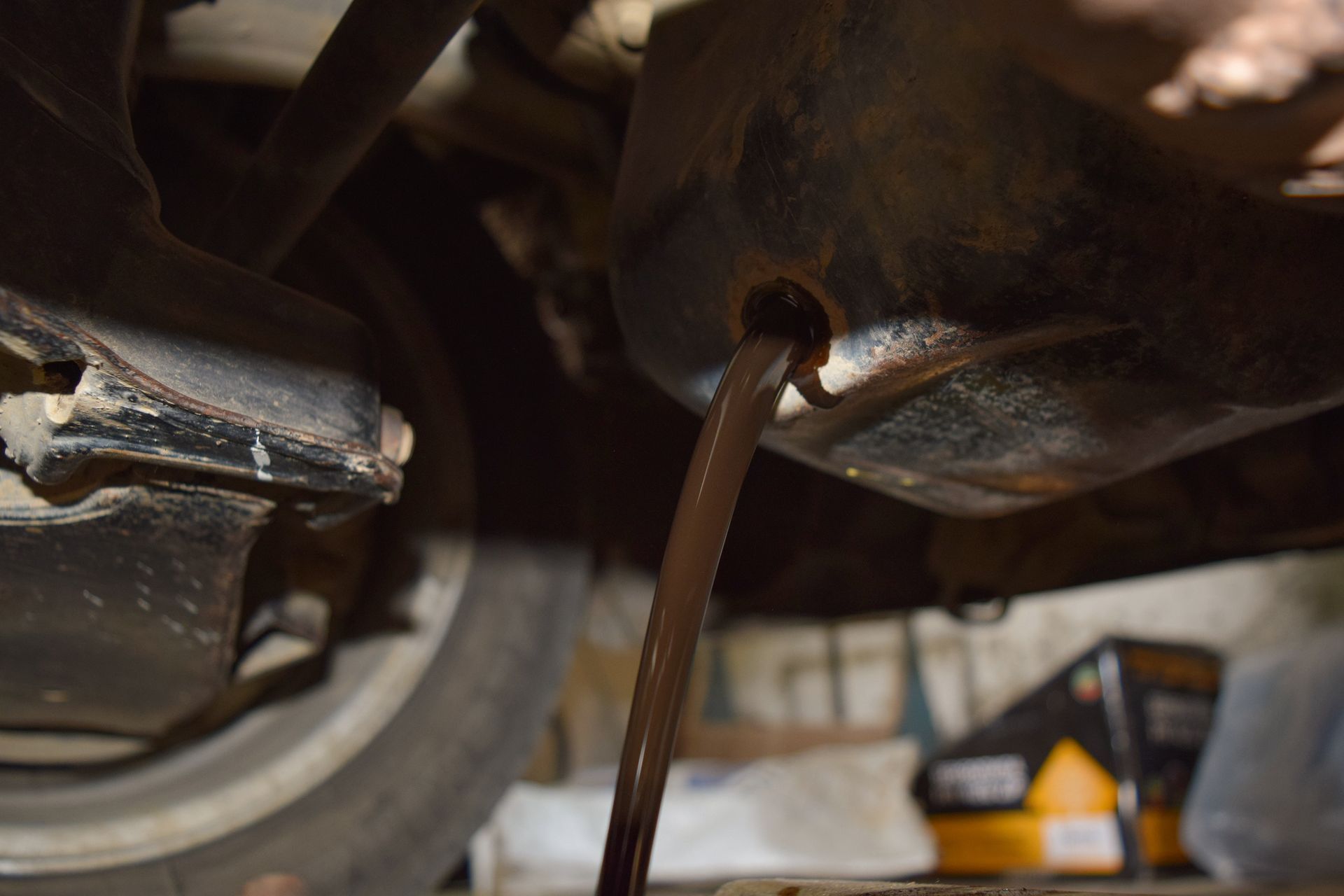
Not every burning rubber smell is actually rubber. Sometimes a fluid leak creates a smell that drivers describe that way because it is hot, sharp, and unpleasant. Oil leaking onto hot engine parts is one of the most common examples. Transmission fluid, power steering fluid, and coolant can also create strong odors when they hit hot surfaces.
The smell may not be identical to burnt rubber in every case, but many drivers group these hot underhood smells together because they all carry that burnt, chemical, heated odor.
If the smell shows up along with smoke from under the hood, visible fluid spots where you park, or a greasy mess on engine components, that points more toward a leak than a belt or tire issue. From our side of the shop, fluid leaks matter just as much because they can lead to both smell and real damage if left alone.
A Tire May Be Rubbing Somewhere
This is another common real world cause, especially after suspension issues, impacts, or wheel changes. If a tire is rubbing against a fender liner, suspension part, wheel well, or underbody panel, it can create a hot rubber smell pretty quickly. In some cases, the rubbing only happens during turns, over bumps, or when the vehicle is heavily loaded.
This kind of problem may show up after:
- Hitting a pothole or curb
- Installing different size tires or wheels
- Damaging a suspension part
- Carrying a heavy load that changes ride height
If the smell appears during turning, after bumps, or when the SUV or car is packed full, tire rubbing becomes a much stronger possibility.
A Brake May Be Sticking
A sticking brake caliper or parking brake issue can also create a smell that people describe as burning rubber, even though the actual source is usually excess heat in the brake area. When one wheel is dragging, the heat can build fast and create a strong burnt smell that drifts into or around the cabin.
This kind of issue may come with other clues too. The vehicle may pull slightly to one side, one wheel may feel much hotter than the others, fuel economy may drop, or braking may feel a little off. In some cases, the smell is strongest after a drive rather than right at startup.
At our shop, when a customer says the smell is strongest near one wheel area, brake drag becomes one of the first things we want to inspect.
An Electrical Component Or Motor May Be Overheating
In some vehicles, an overheating electrical component can create a smell that gets described as burning rubber or burnt plastic. Blower motors, wiring insulation, failing relays, and other electrical parts can produce a strong hot smell when they begin overheating.
This is especially important if the smell seems tied to a specific system being turned on, such as the heater fan, air conditioning, or another accessory. Electrical smells are not something to casually monitor for long because they can point to overheating circuits or components that may fail completely.
When The Smell Happens Tells You A Lot
One of the most useful things to pay attention to is timing. A burning rubber smell that appears only at startup may point in one direction, while a smell that gets worse during turns, braking, or highway driving may point in another.
A few examples:
- If the smell shows up with belt noise on startup, a slipping belt becomes more likely
- If it appears after using the brakes heavily or near one wheel, brake drag becomes more likely
- If it happens during turns or with a full vehicle load, tire rubbing moves higher on the list
- If it appears with smoke or signs of leaking fluid, a fluid leak becomes more likely
This kind of detail helps us diagnose the problem more accurately and helps you know whether the issue feels urgent enough to stop driving.
When You Should Stop Driving
Some smells can wait for a scheduled appointment. A strong burning smell is usually not one of them, especially if it is getting worse or paired with other warning signs.
You should take it more seriously if you also notice:
- Smoke from under the hood
- Warning lights
- Steering getting heavier
- The temperature gauge rising
- Squealing belts
- One wheel feeling unusually hot
- Visible leaking fluid
If the odor is strong, persistent, or comes with any of those symptoms, it is smarter to stop driving and have the car checked rather than risk turning a manageable repair into a bigger one.
Dana Bros. Automotive & Diesel Repair Can Fix the Burning Smell
A burning rubber smell from your car can come from several different causes, including a slipping belt, something rubber touching a hot part, a fluid leak, tire rubbing, sticking brakes, or even an overheating electrical component. The smell itself matters, but the timing and the other symptoms around it matter just as much.
If your vehicle has started smelling like burning rubber, bring it to Dana Bros. Automotive & Diesel Repair in Alma, GA, as soon as possible. We can inspect the belts, hoses, brakes, tires, leaks, and surrounding components to find the real cause and help prevent a small issue from turning into a much more expensive one.