Your diesel has already been through a regeneration, yet the particulate-filter warning has returned. Now someone recommends cleaning the DPF. It sounds like the same job with a different name, especially when both are described as clearing a restricted exhaust filter.
The distinction affects what the repair can accomplish. Before agreeing to another regeneration or a filter-cleaning service, ask what is restricting the filter and how they determined that. A pressure reading, a calculated soot load, and the filter's physical condition each tell a different part of the story.
Regeneration Burns Soot Inside the Filter
The diesel particulate filter traps soot in its porous structure. Regeneration uses suitable exhaust temperatures to oxidize that soot. It can occur through normal operating heat or through an active process managed by the engine controls. A service regeneration is a controlled procedure requested with diagnostic equipment when the conditions allow it.
Those approaches address soot, not every material that accumulates in the filter. Regeneration also depends on functioning temperature sensors, engine controls, and other supporting equipment. A truck that repeatedly interrupts the process or never reaches the required conditions can accumulate soot even when the filter itself is physically intact.
Ash Does Not Burn Away During Regeneration
Ash includes noncombustible residue from sources such as lubricant additives and engine wear. It remains after soot burns off and gradually fills space within the DPF. More regeneration won't turn that residue into something the exhaust can simply carry out.
Ash removal generally requires a suitable off-vehicle cleaning process or filter replacement, depending on the application. The method must suit the filter's construction and contamination. Cleaning is therefore different from commanding a hot regeneration while the DPF remains on the truck, even when a service description uses the word cleaning for both.
High Pressure Doesn't Automatically Mean an Ash-Filled DPF
Pressure difference across the filter helps assess restriction, but the reading must be interpreted with exhaust flow and engine conditions. A faulty sensor or blocked pressure-sensing tube can report a restriction incorrectly. A calculated soot estimate also isn't a direct measurement of everything physically inside the filter.
During an inspection, we compare pressure behavior, temperature readings, fault history, and regeneration records. An engine producing excess soot can overload a healthy filter. Boost leaks, fueling faults, or an EGR problem need attention before you blame the same DPF again after another attempted service.
A Forced Regeneration Has Safety Limits
A heavily soot-loaded filter isn't automatically a candidate for forced regeneration. Excessive heat during an unsuitable procedure can damage the filter. The manufacturer sets limits and prerequisites, and certain faults prevent regeneration until the underlying condition is repaired.
Owners shouldn't keep repeating highway runs after warnings escalate or power is restricted. Follow the vehicle's instructions and arrange diagnosis when directed. A shop-controlled procedure also needs a safe environment because exhaust temperatures can get very high. Don't improvise regeneration near dry grass, stored materials, or other combustible items.
Cleaning Should Produce More Than a Washed Filter
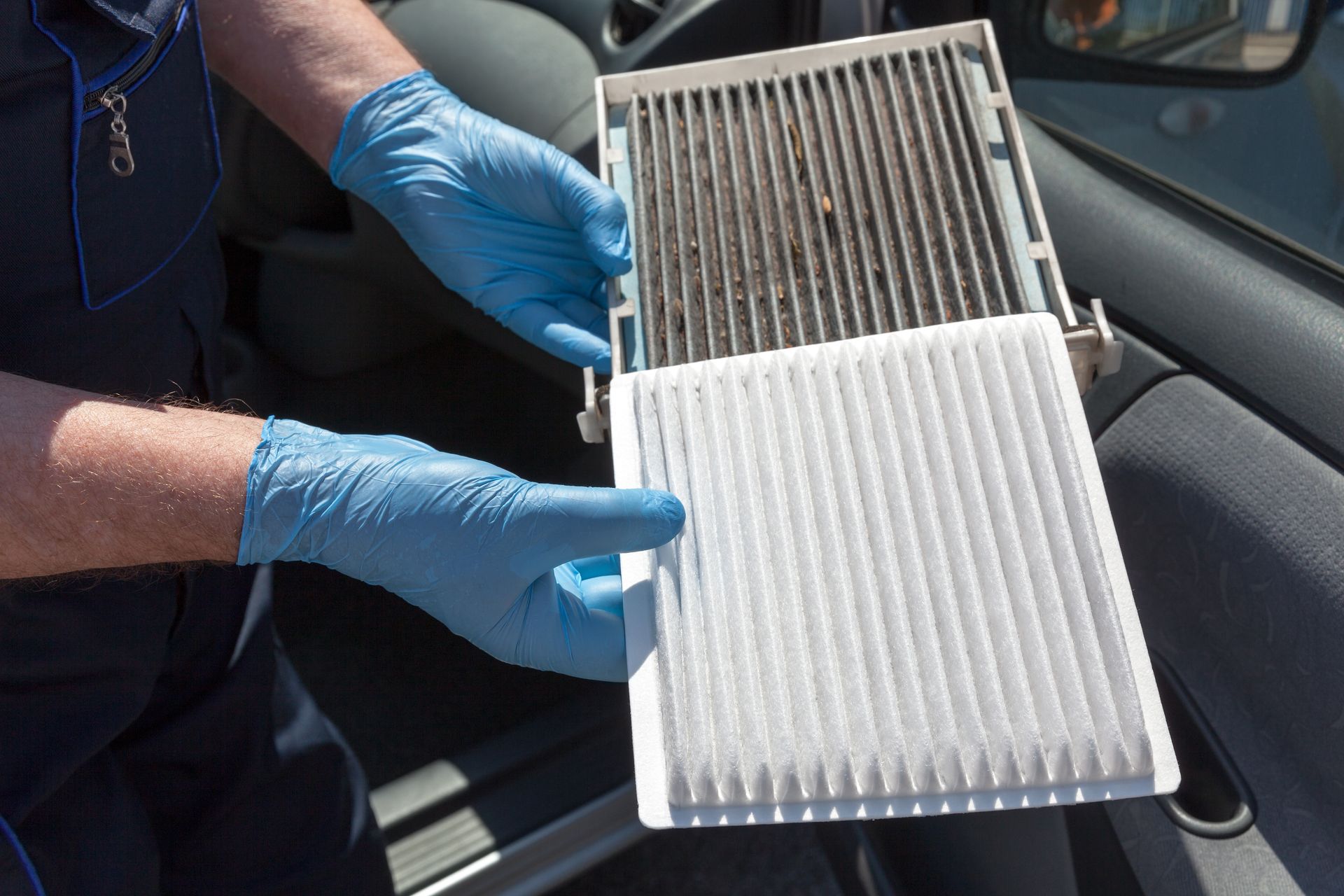
A professional DPF cleaning service should evaluate the filter before and after treatment. Cracked, melted, or otherwise damaged internal material cannot be restored by removing deposits. Oil or coolant contamination also needs investigation, since the engine can contaminate the cleaned filter again.
Before approving the work, ask what condition checks and results are included. The explanation should cover more than whether the outside of the canister looks clean. Useful documentation includes:
- Condition of the filter before cleaning
- Evidence of cracks, melting, oil, or coolant
- The cleaning method used for that filter
- Before-and-after flow or restriction results
- Any reason the filter was rejected for reuse
Repair the Cause Before Resetting the Service Record
After successful cleaning or replacement, the vehicle may require updating the appropriate learned values or service counters. Resetting those values without actually servicing the filter doesn't remove deposits. It only changes the information the controller uses to manage them.
We also review engine oil consumption, fuel-system condition, and the truck's operating pattern. The specified low-ash oil and regular maintenance help manage deposit buildup, but they don't eliminate the need for eventual ash service. Repeated warnings deserve a cause-and-effect explanation, not another identical regeneration with no follow-up measurements.
Get Diesel DPF Service In Alma, GA, With Dana Bros. Automotive & Diesel Repair
Dana Bros. Automotive & Diesel Repair in Alma, GA, can assess whether your DPF concern involves soot, ash, sensor information, or another engine fault. That diagnosis determines whether regeneration, cleaning, or replacement is appropriate.
Contact us to discuss the warning messages and arrange a DPF system check.